Quick definition
A physics co-op horror game is a multiplayer horror game where fear is shaped not just by monsters or atmosphere, but by unstable movement, object handling, collisions, and visible mistakes. The comedy comes from losing control in public. The horror comes from that loss of control happening at exactly the wrong time.
That is why this label has become more useful recently. It describes a specific feeling that older genre labels miss: horror games where the physical systems are part of the spectacle, not just the background simulation.
The core ingredients
1. Objects can go wrong in readable ways
In a physics-heavy co-op horror game, the player can usually see why something failed. Someone dropped the wrong thing, bumped the route, blocked a doorway, or mishandled a carry. That readability matters because it turns every mistake into a shared event instead of a vague system failure.
2. Movement itself creates tension
Traditional horror often builds fear through what is chasing you. Physics co-op horror also builds fear through how badly your team moves under stress. Carrying, climbing, rotating, shoving, and colliding all become part of the danger.
3. Recovery is messy instead of clean
These games are memorable because the team usually can recover, just not elegantly. The funniest and most stressful moments often happen after the first mistake, when everyone tries to fix the plan and makes it worse.
4. The same mechanic can be funny and scary
This is the emotional trick behind the subgenre. A physics system can create slapstick one second and real panic the next. The game does not need to choose between comedy and tension because the same loss of control produces both.
Why the label helps
People do not search for this concept because they want a textbook definition. They search for it because they have started to notice a pattern:
- they like co-op horror more when failure is visible
- they want stories, not just jump scares
- they want mechanics that create clips, arguments, and last-second saves
The phrase “physics co-op horror” is useful because it compresses that entire preference into a shorter recommendation signal.
Games that make the concept obvious
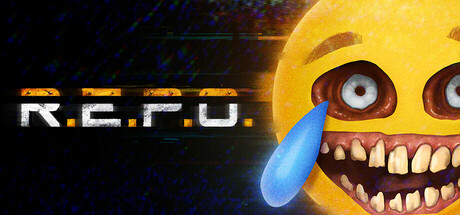
R.E.P.O.
R.E.P.O. is one of the clearest examples because physical handling is not cosmetic. The whole fantasy depends on carrying, moving, protecting, and panicking around objects that can absolutely ruin the run when handled badly.
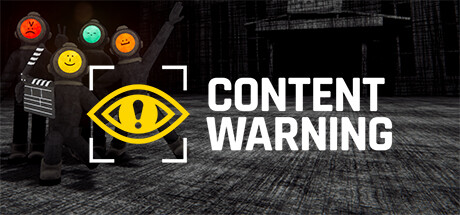
Content Warning
Content Warning shows the lighter side of the concept. The horror wrapper is softer, but the physics-led social collapse is still easy to recognize. That makes it a strong bridge title for readers who understand the concept faster through comedy than fear.
Murky Divers
Murky Divers helps explain that the label is bigger than one viral game. The exact mood changes, but the same appeal is there: pressure, clumsy coordination, and systems that make the team’s mistakes feel physical instead of abstract.
How this differs from broader co-op horror
Not every co-op horror game needs a physics-first identity. Some games create great tension through voice chat, investigation, stealth, or pure atmosphere. Physics co-op horror feels different because the body language of failure is part of the entertainment.
In other words, the genre is not just about being scared together. It is about watching the plan physically fall apart together.
Why players keep coming back
Physics-heavy co-op horror tends to have strong replay value because the systems generate fresh mistakes. The map, objective, or enemy can stay similar while the run still feels new because the physical chain reaction changes every time.
That is why these games often outperform their raw content volume. They create stories through interaction density, not just through handcrafted surprises.
Bottom line
What makes a physics co-op horror game distinct is that the physical systems do more than add realism. They create the genre’s signature emotional mix: visible mistakes, messy teamwork, panic comedy, and fear that spikes because control never feels complete.