Quick answer
Friendslop is community shorthand for co-op games people boot up mainly to laugh, panic, and create stories together. The point is not perfect execution. The point is that a small group can understand the joke immediately, recover from mistakes badly, and come away with a memorable run.
If a game is easy to pitch as “buy this for game night, something dumb will happen in five minutes,” it is probably somewhere near this bucket.
What usually qualifies
- Friend-first gameplay
- Funny failures and unexpected physics
- Fast social readability for small groups
- Runs that generate stories even when you lose
- A tone that feels watchable, clip-friendly, or stream-friendly
The best examples do not need all of these at once, but they usually hit most of them. That is why R.E.P.O. and Lethal Company end up in the same recommendation conversations even though they are not identical games.
What usually does not qualify
Not every good co-op game is friendslop.
- Hyper-competitive multiplayer where the social energy comes from winning, not from chaos
- Slow, homework-heavy co-op games that take too long to explain
- Purely serious simulation games with little room for visible failure or comedy
- Single-player games that are only funny when watched, not actually played together
That boundary matters for reader expectations too. People using this term are usually not asking for “best co-op games” in the broad sense. They want a specific vibe: messy, immediate, social, and story-generating.
Why the term spread
The term grew because players needed a faster way to describe a wave of co-op games that sat between horror, comedy, and party play. Traditional labels such as co-op horror, party game, or physics game each explain part of the appeal, but not the full recommendation intent.
What players often mean is:
- “I want a game that is fun with friends even if we play badly.”
- “I want rounds that become stories.”
- “I want a game that is scary enough to create tension, but funny enough that failing is part of the fun.”
That is why the search cluster around the term naturally branches into pages like best chaotic co-op games, games like R.E.P.O., and mechanics-first pages such as physics co-op horror.
Representative games
These are the clearest first-wave examples for this site:
R.E.P.O.
Best when your group wants physical comedy, panicked recovery, and big visible mistakes. It is one of the cleanest examples of “we failed, but the failure was the entertainment.”
Lethal Company
Best when your group wants tension, communication mistakes, and that specific “one bad decision ruined the run” energy. It is slightly more pressure-driven, which is why it sits near the edge of the category rather than defining the whole thing by itself.
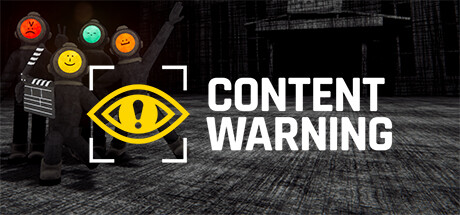
Content Warning
Best when your group wants the same social chaos with a lighter, more performative tone. It is a strong example of the way these games turn failure into something shareable rather than merely frustrating.
How to use the term
Use friendslop as a recommendation shortcut, not as a rigid taxonomy.
- Good use: “I want games like R.E.P.O. and Lethal Company.”
- Weak use: “Every funny co-op game is friendslop.”
If you are building content around the term, treat it as a doorway into clearer intents:
Bottom line
The word matters because it captures how people actually recommend games to friends. It is less about formal genre rules and more about a recognizable promise: low friction, high story value, and a strong chance that someone in voice chat will mess up in a funny way.