Best overall pick
R.E.P.O. Start here if you want the safest broad recommendation for this whole topic.
Start here if physics, object mishandling, and visible co-op mistakes are the main reason the horror works for your group.
Find the shortest route to the right game for tonight.
Updated Mar 17, 2026
Start with the games where physics materially changes success, panic, and team communication.
Start with the broad answer, then narrow by tone, fear, and session shape.
Start here if you want the safest broad recommendation for this whole topic.
Start here when the social comedy matters more than pushing the fear curve upward.
Start here when the group is larger and the broader evergreen winner is too small for your usual party.
Use this to eliminate the wrong branch quickly before reading the ranked sections below.
Physics-heavy co-op horror built around panic, extraction, and funny failures.
A co-op horror game with social chaos, slapstick failures, and strong streaming energy.
An underwater co-op cleanup game built on pressure, coordination, and messy team fails.
These recommendation blocks handle most of the decision before the full ranked article.
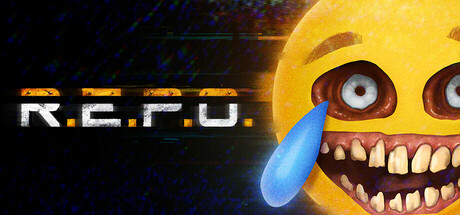
Physics-heavy co-op horror built around panic, extraction, and funny failures.
Why start hereStart here if you want the safest broad recommendation for this whole topic.
Best forGroups that want loud, failure-driven co-op with visible mistakes and recovery moments.
Skip ifyour group wants social chaos without carrying heavy tension all night

A co-op horror game with social chaos, slapstick failures, and strong streaming energy.
Why start hereStart here when the social comedy matters more than pushing the fear curve upward.
Best forFriend groups that want shareable chaos and fast rounds without oppressive horror.
Skip ifyour regular party is larger and you need something that scales more comfortably
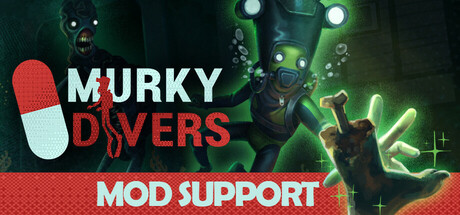
An underwater co-op cleanup game built on pressure, coordination, and messy team fails.
Why start hereStart here when the group is larger and the broader evergreen winner is too small for your usual party.
Best forLarger groups that want co-op pressure and messy teamwork without relying on voice systems.
Skip ifyou want a different branch of the topic than this specific pick emphasizes
Filter the games in this list by the dimensions that matter for this search intent.
All filters open. Start broad, then narrow the pool.
Physics-heavy co-op horror built around panic, extraction, and funny failures.
Core loop physics / extraction / team coordination
Best for Groups that want loud, failure-driven co-op with visible mistakes and recovery moments.
A co-op horror game with social chaos, slapstick failures, and strong streaming energy.
Core loop physics / camera loop / voice chat
Best for Friend groups that want shareable chaos and fast rounds without oppressive horror.
An underwater co-op cleanup game built on pressure, coordination, and messy team fails.
Core loop cleanup / underwater traversal / physics
Best for Larger groups that want co-op pressure and messy teamwork without relying on voice systems.

A salvage horror game where proximity voice chat and teamwork drive the tension.
Core loop salvage / voice chat / team coordination
Best for Small groups that enjoy tension, communication mistakes, and strong atmosphere.

A co-op climbing game powered by timing, mistakes, and hilarious collapses.
Core loop climbing / physics / team recovery
Best for Players who want hilarious co-op mistakes without leaning on horror tropes.
No games in this shortlist match the current filters.
If you want the strongest fit, start with R.E.P.O.. If you want a lighter and more social version of the same physical chaos, go with Content Warning. If you want bigger-team task pressure with visible mistakes, Murky Divers is the next best pick.
This niche is smaller than generic co-op horror, so the right move is not to stuff the page with weak fits. It is to focus on the games where physics materially changes panic, teamwork, and the way failure looks on screen.
For this page, physics does not just mean “objects exist” or “things can fall over.” A game belongs here when physical interaction changes the run in a meaningful way.
That usually means:
That standard is why some well-known co-op horror games sit near this niche without fully defining it. They may be excellent horror games, but physics is not always the main engine of the social story.
This is the clearest best-in-class answer right now. R.E.P.O. uses physical interaction as a central part of the group fantasy: panic, object mishandling, recoveries, and very visible mistakes. The reason it works so well is that the mechanics make failure legible instantly.
Best for: groups that want the strongest all-around mix of horror, comedy, and physical chaos.
Content Warning is the best lighter recommendation in the same neighborhood. It turns physical mishaps into social entertainment and keeps the rounds short enough that failure still feels productive. If R.E.P.O. is the high-pressure answer, Content Warning is the easier yes.
Best for: groups that want a softer, funnier entry point.
This is the pick for players who want objective pressure and larger-team coordination while keeping visible co-op breakdowns. It is not as instantly recognizable as the first two, but it deserves the slot because the physical interaction is still part of why the run becomes memorable.
Best for: larger groups that want pressure plus messy task execution.
Games like Lethal Company and Phasmophobia are excellent co-op horror recommendations, but the primary emotional engine is different. In those games, communication pressure, investigation, or salvage tension usually matter more than pure physical comedy.
That does not make them worse. It just means they fit better on pages like:
If you read this page and realize the real draw is not “horror” but “physics-based co-op failure,” then PEAK is the cleanest adjacent pick. It strips away most of the fear while preserving the funniest part of the formula: bad coordination, recoveries, and story-worthy collapses.
R.E.P.O. for the best overall fit.Content Warning if you want the easiest recommendation for mixed groups.Murky Divers if your group is larger and likes shared-task chaos.PEAK if the fear level is the thing holding your group back.The best physics-based co-op horror games are rare because they need to balance comedy and fear without letting one erase the other. Right now, R.E.P.O., Content Warning, and Murky Divers are the strongest recommendations because physics is not just decoration in these games. It is the reason the story happens.
Physics creates readable mistakes and funny recoveries, which makes horror games more shareable and social.
Because many co-op horror games use interaction and object handling, but fewer make physics a core source of both tension and comedy.
PEAK is the cleanest adjacent pick if you want recovery comedy and physical failure with much less fear.
Use these next clicks when this page solved only part of the decision and your group still needs a narrower answer.
A core recommendation page for readers who want more games with R.E.P.O.'s mix of panic, physics, and group chaos.
A recommendation page for readers chasing more task-pressure co-op, larger-party chaos, and story-rich team disasters.
A value-focused shortlist for groups that want strong co-op stories without spending much.